



How do I see a company's customer reviews?
.jpeg)


.svg)
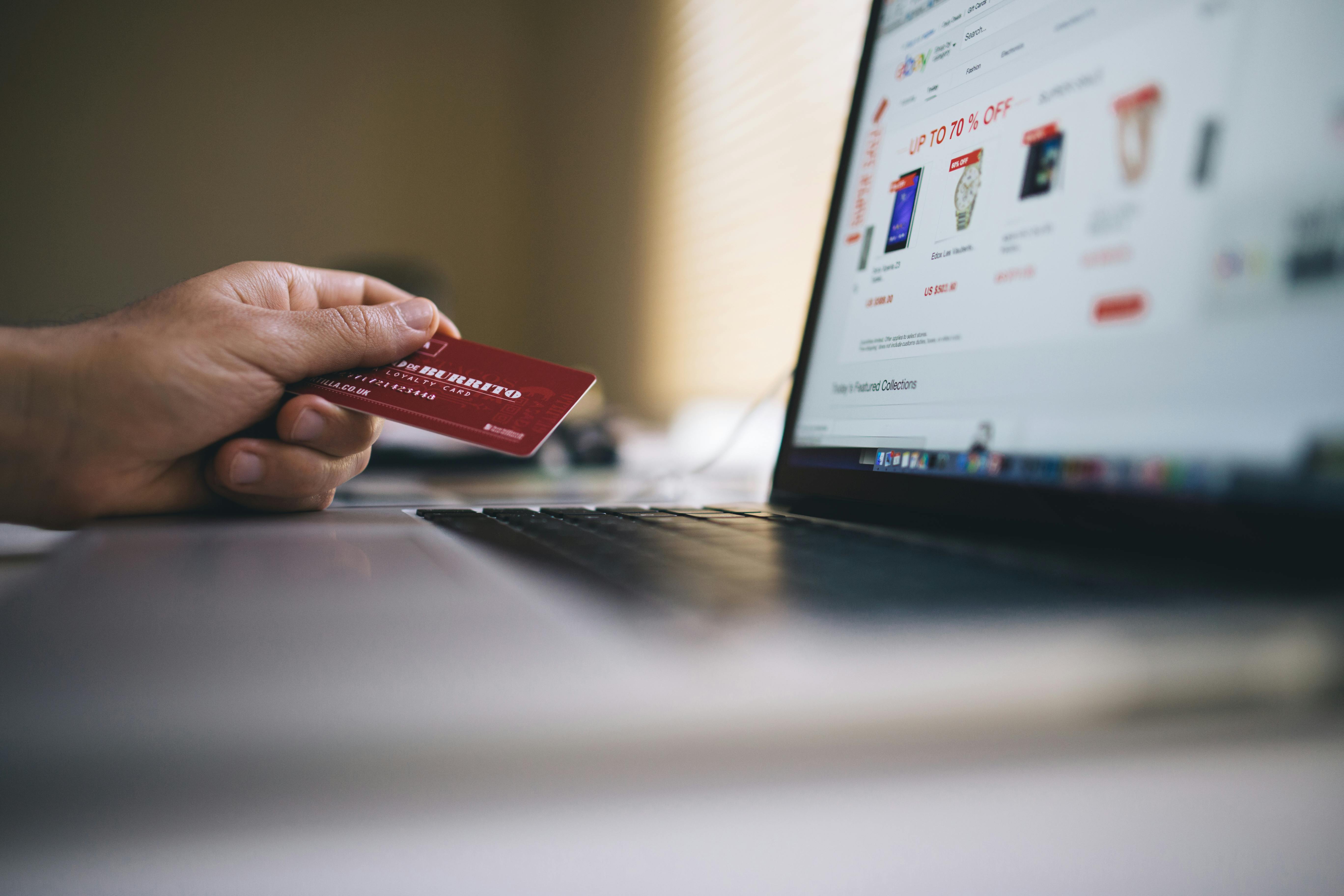
87% of consumers read online reviews before buying. You are probably one of those savvy buyers who scrutinize a company's reputation before trusting it. But do you really know all the ways to find these precious testimonies?
At a time when every click can reveal the true nature of a service, knowing where to look makes all the difference. Between the Google review that dominate the search results, specialized platforms that are full of details, and social networks where spontaneous comments are hidden, information is everywhere... but not always easy to find.
Whether you are a consumer looking for transparency or an entrepreneur looking to understand how your customers discover you, mastering the art of seeking opinions becomes essential. Because beyond simple consultation, it is also a question of knowing how manage reviews, respond to reviews, and even share feedback constructively.
In this handy guide, you'll learn how to effectively navigate Google Maps to access a comprehensive business listing, explore the best specialized review platforms, and use advanced search techniques to make sure you don't miss a thing. More than just a guide, it's a real toolbox for making informed decisions and understanding the customer review ecosystem.
Why Google reviews are important for your business
In today's digital landscape, Google review represent much more than just a customer satisfaction thermometer. They are a real growth driver for your business. Imagine: 96% of consumers read online reviews before making a purchase, and 88% trust online reviews as much as personal recommendations. These figures reveal an unavoidable reality: your Google reviews directly influence your turnover.
But their impact goes well beyond simple conversion. Google reviews act like a virtuous circle: they improve your local SEO, strengthen your credibility, and create a snowball effect that naturally attracts new customers. To maximize this effect, it is crucial to understand how manage reviews effectively and develop a comprehensive strategy for collecting customer reviews.
Improve your online visibility thanks to reviews
Google reviews play a decisive role in your positioning on search engines. Google uses the quantity, quality, and consistency of reviews as signals of trust to rank your school card. In concrete terms, a company with 50 recent reviews and a 4.5 star rating will generally appear before a competitor with only 5 reviews, even if the latter has a perfect score.
The Google Maps algorithm favors establishments that generate regular interactions. Each new review tells Google that your business is active and relevant. This dynamic is reflected in increased visibility in the local pack (the 3 results that appear at the top of geolocated searches) and in Google Maps. For example, a Parisian restaurant that collects 3 to 5 reviews per week will see its visibility increase exponentially compared to a similar establishment that only receives one per month.
The keywords contained in your reviews also enrich your semantic referencing. When a customer writes “Great delivery service, very responsive team,” Google associates your business with the terms “delivery service” and “responsive team.” This natural semantic richness improves your positioning on various queries, without additional effort on your part. To deepen this strategy, read our tips for asking for customer reviews effectively.
Building the trust of potential customers
Trust is built in a few seconds during the first digital impression. When a prospect discovers your business, they immediately scan your overall rating, the number of reviews, and especially recent comments. A series of detailed positive reviews acts as a collective recommendation that reassures and encourages action.
The authenticity of the testimonies makes all the difference. Potential customers are looking for reviews that describe real experiences, mention specific details about your products or services, and reveal the personality of your business. An opinion such as “Outstanding customer service, Sophie helped me solve my problem in less than 10 minutes” carries much more weight than a simple “Very good, I recommend” opinion.
Know Respond to reviews — whether positive or negative — demonstrates your commitment and professionalism. A personalized response to each positive review (“Thank you Thomas for this feedback, we are delighted that you enjoyed our new collection!”) humanize your brand. For negative reviews, a constructive response and a proposed solution often turn a disappointing experience into a loyalty opportunity.
However, beware of the classic pitfalls: never overlook 3-star reviews that may seem “average” but often contain valuable insights to improve your services. Also avoid Share a review only when he's praiseworthy — consistency in your interactions builds credibility. Finally, don't forget that 73% of consumers only trust businesses with reviews that are less than 3 months old: the freshness of your testimonials is crucial to maintaining this dynamic of trust.
The different methods to see your Google reviews
Now that you understand the strategic importance of Google review for your credibility, let's move on to practice. Because knowing the theoretical impact is not enough if you do not know how to effectively access these valuable testimonies. Whether you want to monitor the reputation of your competitors, analyze customer feedback in your sector, or simply discover a company before doing business with it, mastering the right methods makes all the difference.
The reality is that 73% of consumers abandon their search if information about a business is not easily accessible. Hence the importance of knowing all the techniques to quickly and effectively find the opinions that matter. Between Google Maps, which concentrates most of the testimonies, and advanced search strategies, you will discover how to transform this search for information into a real competitive advantage.
Consult reviews directly from Google Maps
Google Maps remains the most direct and complete method for consulting business reviews. The platform not only centralizes testimonials, but also offers an immediate overview: overall score, total number of reviews, customer photos, and even peak hours. Start by looking for the business in Google Maps - simply type in their name followed by their city if necessary. Once this school card displayed, click on the number of reviews (shown under the stars) to access the full details.
The interface allows you to filter reviews according to several particularly useful criteria. You can sort by “Most Recent” to understand the current situation of the business, or by “Most Useful” to see the most detailed testimonials. The filter by rating (1 to 5 stars) often reveals valuable insights: 3-star reviews often contain the most constructive reviews, while 1-star reviews can alert you to recurring problems. A Parisian jeweler, for example, could have excellent overall reviews (4.8 stars), but his 3-star reviews would perhaps reveal improved delivery times.
For even more in-depth analysis, Google Maps offers features that are often overlooked. Click on the photos accompanying the reviews: they often reveal the reality on the ground better than words. You can also consult the history of activity via the graph of reviews over the year: a sudden peak in negative reviews may indicate a one-off crisis, while a regular number of positive reviews indicate a consistent quality. Finally, don't forget to check the owner's answers: a company that Respond to reviews consistently, even to critics, demonstrates responsive customer service. This method gives you access to the freshest and most comprehensive information available on the Google ecosystem.
Write professional and personalized answers
If you are a business owner, discovering your opinions is only the first step: responding to them professionally turns each testimonial into an opportunity to strengthen your image. In Google My Business (now Google Business Profile), go to the “Reviews” section to see all comments received and respond directly to them. The challenge goes beyond simple politeness: 89% of consumers read your responses to reviews, and 73% judge your professionalism by their quality.
Your response strategy should vary depending on the type of review. For positive reviews, use a warm but professional tone: “Thank you Marie for this feedback, we are thrilled that our team was able to solve your problem so quickly!” Always personalize by mentioning a specific detail about their experience. For negative reviews, follow the 4R rule: Thank for the feedback, Recognize the problem, Rectify if necessary, and Redirect to a solution (“Contact us privately at [email] so we can improve your experience”). This approach often turns a detractor into an ambassador.
Beware of the classic pitfalls: never fall into the defensive or excessive justification in the face of criticism. Avoid generic “Thanks for your feedback” answers that give the impression of automation. On the contrary, show your business expertise by briefly explaining your processes when relevant: “We train our team according to [certification] standards, which is why your experience surprises us.” The objective is not only to reassure the dissatisfied customer, but to demonstrate to all future readers your level of requirement and transparency. To go further in this quality approach, discover how to optimize your collection of customer reviews to create a virtuous circle of authentic and regular testimonials.
Analyzing and responding to reviews: a crucial step
Know how to consult and locate Google review is only the first part of the equation. Because once you control access to these testimonials — whether they are your own opinions or those of your competitors — the real value lies in your ability to transform them into actionable insights. This phase of analysis and response distinguishes companies that suffer from their reputation from those that actively manage it.
Here we are entering the strategic dimension of review management: where each comment becomes a source of business intelligence, where each response reinforces your credibility, and where systematic analysis reveals hidden growth drivers. This is also where your competitive differentiation comes into play: because while everyone can see reviews, only methodical companies know how to exploit them to continuously improve their offer and their image.
Identify trends and areas for improvement
Analyzing reviews goes well beyond simply calculating your average score. To extract the substantial marrow from your customer feedback, adopt a systematic, three-tier approach. First, analyze the frequency of the keywords mentioned: software like Excel or Google Sheets may be enough to get started, but more sophisticated tools like MonkeyLearn or even generative AI can automate this task. When 40% of your reviews mention “responsive customer service” and 25% mention “intuitive interface”, you identify your perceived strengths. On the other hand, if “delivery times” always comes up in 3-star reviews, you are committed to improving.
Second, observe the evolution of your reviews over time. A Parisian restaurant that notes a sudden drop in its evaluations in October may correlate this trend with a change of supplier or the arrival of a new competitor. This chronological analysis reveals the impact of your business decisions: a software update, a new packaging, an advertising campaign. Create a simple monthly dashboard: number of reviews received, average rating, positive and negative recurring themes. This 30-minute per month routine can transform your customer understanding.
Thirdly, segment your reviews according to their origin: Google Maps, your website, social networks, or third-party platforms. Each channel attracts a different customer profile and reveals specific challenges. Google Maps reviews often capture the “first visit” experience, while testimonials on your site reflect the opinions of customers who are already convinced. This granularity allows you to adapt your strategy: improve the welcome for new customers identified via Google Maps, or optimize after-sales to retain those who leave feedback on your platform. To deepen this continuous optimization process, discover How to use your customer reviews to improve your customer service and transform each feedback into a performance driver.
Write professional and personalized answers
Responding to reviews is your public customer service showcase. Each interaction is read by dozens, even hundreds of prospects who assess your professionalism through your reactions. Develop a response charter in four pillars: speed (respond within a maximum of 48 hours), personalization (always mention a specific element of the opinion), empathy (recognize the emotions expressed), and action (offer a concrete follow-up when relevant). This structured approach guarantees qualitative consistency even when your review volume increases.
For positive reviews, go beyond the simple “thank you” by creating added value. A typical response: “Thank you Thomas for this detailed feedback! We are delighted that our new fall collection met your expectations. Your mention of the quality of the finishes encourages us to maintain our high standards. See you soon to discover our winter novelties!” This approach does three things simultaneously: it sincerely thanks, it amplifies the positive message for future readers, and it opens up the next commercial interaction.
Negative reviews require finer control. Apply the CEAR method: Calm (calm, never defensive), Empathy (“I understand your disappointment”), Analysis (“Let me check what happened”), and Resolution (“Contact me privately so we can find a solution”). A concrete case: faced with an opinion criticizing a late delivery, avoid “Our carrier had a problem” (rejection of responsibility) and prefer “This delay is unfortunate and does not reflect our usual standards. Contact us at [email] so we can compensate you and improve our process.” This approach often turns a detractor into an ambassador.
Intelligent automation can increase your efficiency tenfold without sacrificing authenticity. Specialized platforms allow you to pre-fill contextual answers that you just need to personalize and validate. This optimization becomes essential when you **manage reviews** from several establishments or channels simultaneously. The end goal remains the same: for each customer — satisfied or dissatisfied — to leave with the feeling that they have been listened to and taken seriously. This relational excellence, publicly visible on your business card, is gradually building a reputation for reliability that naturally attracts new customers to your business.
Mastering the consultation of Google reviews to boost your e-reputation
You are now equipped with the best techniques to navigate the world of Google review like a real expert. From consulting on Google Maps to advanced analytics strategies, to the art of responding professionally to each testimonial, you now have a comprehensive toolkit to turn every customer interaction into an opportunity for growth.
But remember: technical mastery is only the first step. The companies that really dominate their sector are the ones that understand that every review reveals a nugget of business intelligence. This analytical approach, combined with a systematic collection strategy, makes the difference between undermining your reputation and actively managing it. Moreover, data shows that businesses that intelligently automate their review management see their number of testimonials multiplied by 30, creating a virtuous circle of visibility and credibility.
It is time for action. If you want to transform this expertise into concrete results and automate your collection of reviews while maintaining control over your image, Review Collect can support you in this process. Their French solution helps businesses to multiply their customer reviews while optimizing each return to improve their service and their online visibility.
FAQS
How do I see Google reviews of a business without an account?
You can access Google reviews directly through Google Maps or by typing the business name + “reviews” into Google. No registration is required to view public testimonies. Use the filters by rating or date to refine your search.
Why don't some businesses appear on Google Maps?
The company may not have created its Google Business Profile, or it is not yet validated. Purely online businesses or services without a physical address may also be less visible in location-based results.
How do you tell real reviews from fake ones?
Watch for author profiles (photo, full name, review history), the variety of vocabulary used, and the precision of the details mentioned. Fake reviews are often general, posted serially, or come from accounts with no history.
Is it legal to respond to all reviews, even negative ones?
Yes, responding to Google reviews is not only legal but recommended. It shows your professionalism and your customer commitment. Just be sure to stay respectful and constructive, even in the face of the harshest of criticisms.
How long does it take for a new review to appear?
Google reviews generally appear instantly after automatic validation. In rare cases, Google may take a few hours to a few days to review a review before publishing, especially if it contains sensitive material.
Can an unjustified negative review be removed?
You can report it to Google if it violates the rules (offensive content, conflict of interest, fake reviews). Google will review the report, but removal is not guaranteed. The best strategy is often to respond professionally to contextualize.
How to optimize your establishment sheet for more visibility?
Complete all fields (hours, photos, description), keep the information up to date, collect new reviews regularly, and respond to testimonials every time. The regularity of interactions improves your local referencing on Google Maps.
Frequently asked questions
💡 Ready to optimize your Google reviews?
Learn how Review Collect can help you reach 4.9/5 stars in 30 days.
📧 Free e-reputation checklist
Receive our complete checklist to optimize your e-reputation in 15 days.
Recommended articles in Review Platforms
Your 4.2-Star Rating Is Not Telling You Why Customers Leave
A well-answered negative review beats a 5-star rating
The 8 Best Review Management Software Platforms for E-Commerce in 2026
Review Collect
The e-reputation solution that turns your customers into ambassadors. Automated collection of multi-channel customer reviews.


