New: Collect your opinions via WhatsApp with +39% response rate
Book a demo →✕

Omnichannel represents the major evolution in modern retail. By integrating all your sales channels into one unified experience, you create a cohesive omnichannel customer journey that boosts loyalty and revenue.

Omnichannel refers to a business strategy that aims to deliver a unified customer experience across all brand touchpoints: e-commerce website, mobile app, physical store, social media, customer service, and more.
Unlike multichannel approaches where each channel operates in isolation, an omnichannel strategy creates synergy between all channels. Customers can start their journey on one channel and seamlessly continue on another without friction.
For example, a customer might:
At every step, their information and history are synchronized, creating a smooth and personalized experience.
Deploying an effective omnichannel strategy requires a methodical approach. Here are the key steps to succeed in your omnichannel transformation:
Start by identifying all existing touchpoints and analyzing how customers navigate between them. Customer journey mapping reveals friction points and improvement opportunities.
Omnichannel relies on a 360-degree customer view. Invest in a CRM or Customer Data Platform (CDP) to unify all data:
Nothing frustrates customers more than different prices between website and store. Ensure complete consistency across inventory, pricing, and promotions.
Store associates need access to the same information as your website. Equip them with tablets to check inventory, customer history, and suggest additional products.
Define omnichannel KPIs such as cross-channel conversion rate, lifetime value, or unified customer satisfaction score.
The numbers speak for themselves: omnichannel customers generate on average 30% more value than single-channel customers. Here are the main benefits:
By removing friction between channels, you make purchasing easier. A customer who can check in-store availability from your website converts more easily. The conversion rate of omnichannel strategies often exceeds traditional approaches by 20%.
A consistent experience builds trust. Customers appreciate finding their history and preferences regardless of which channel they use.
By unifying data, you gain a complete view of each customer. This knowledge enables deeper personalization and relevant recommendations.
Paradoxically, omnichannel can reduce operational costs by optimizing inventory, reducing returns through better product information, and automating certain processes.
Review Collect integrates seamlessly into your omnichannel strategy by centralizing review collection and display across all your channels:
By integrating customer reviews into your omnichannel strategy, you create a virtuous cycle: reviews collected in-store build trust online, and vice versa.
Discover how Review Collect can transform your omnichannel customer experience.
Automate review collection via WhatsApp, SMS, Email, QR Code, and RCS. Achieve a 39% response rate where the industry averages 2-3%.
Learn more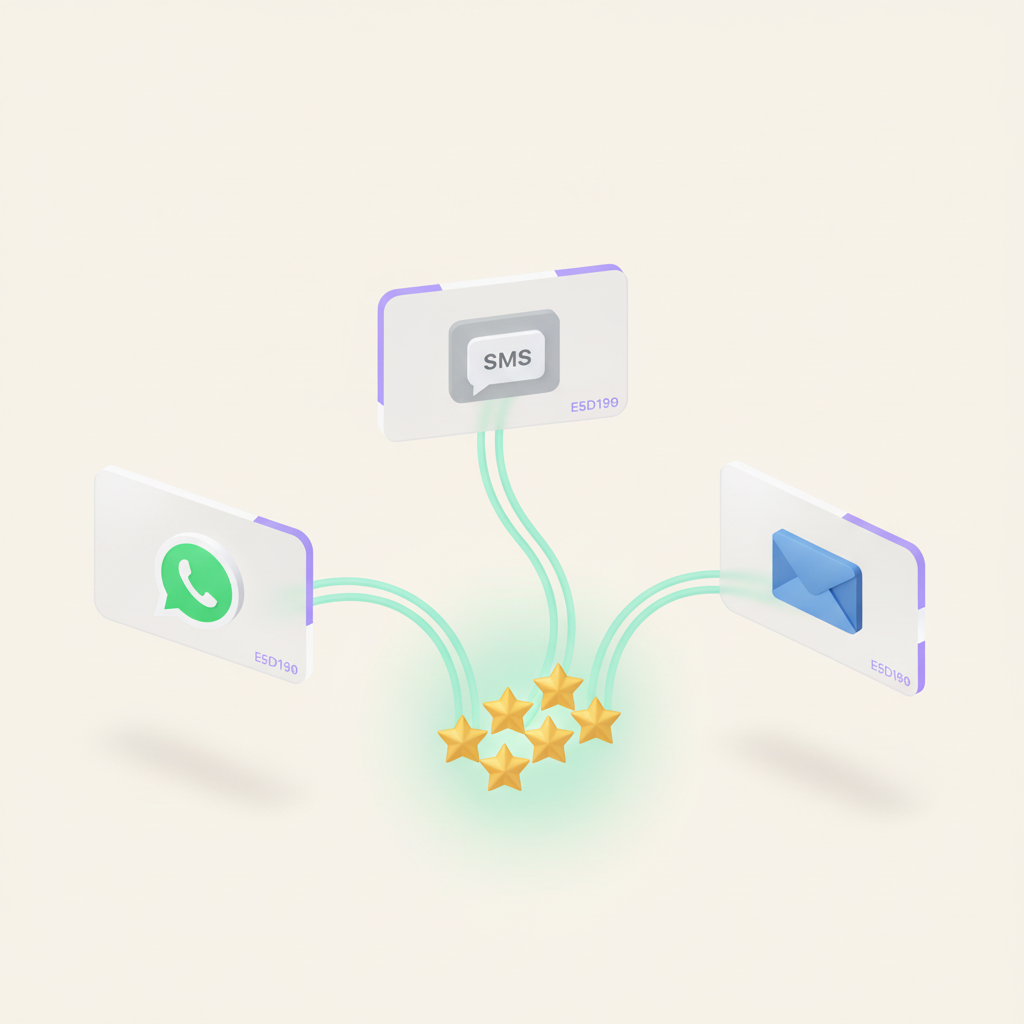
Decide where, when, and how each review is posted. Review Collect automatically organizes the distribution of your reviews between Google, Trustpilot and your strategic platforms.
Learn more
Google, Trustpilot, Verified Reviews, Yotpo, Bazaarvoice... Centralize the management of your multi-platform reviews and regain control of your e-reputation.
Learn more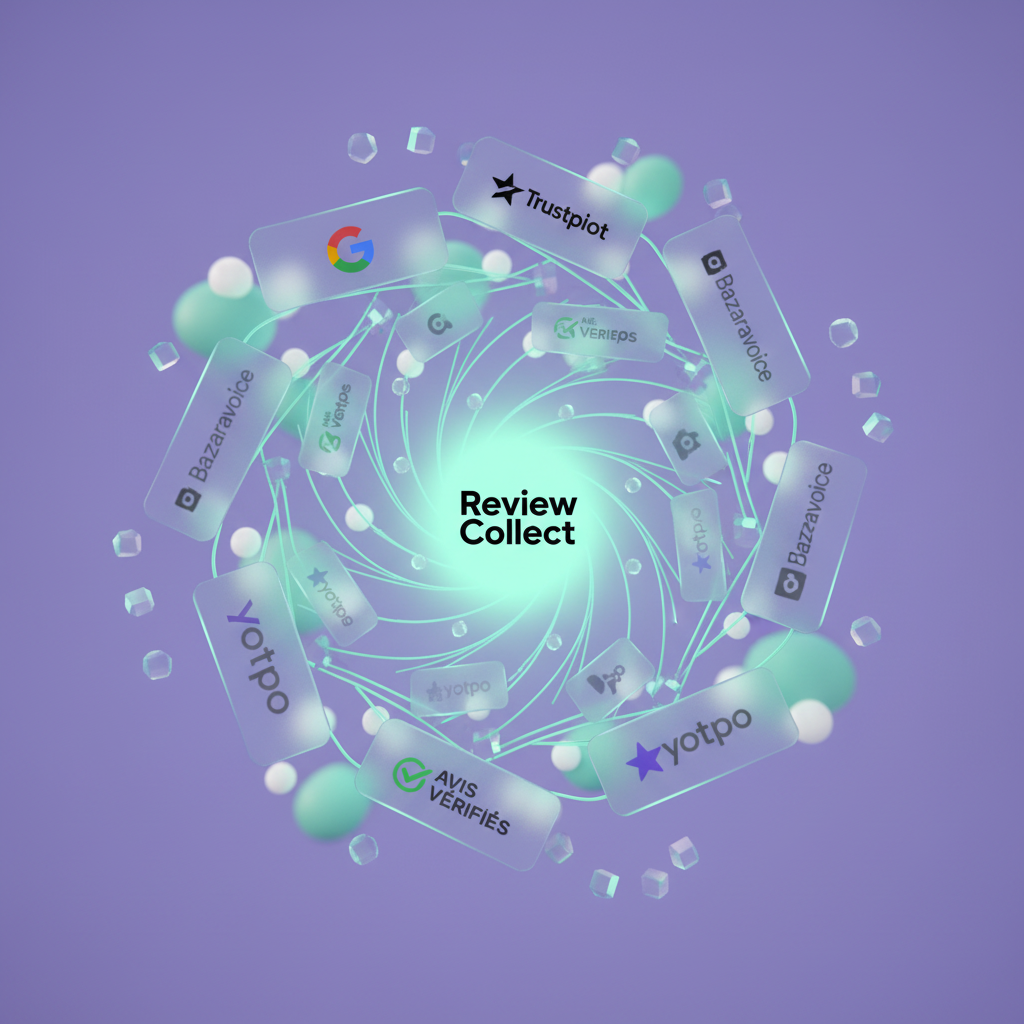
The e-reputation solution that turns your customers into ambassadors. Automated collection of multi-channel customer reviews.


